


.png)
I hope your August is off to a good start, whether you’re on vacation or working. Mrs. B and I are back from our sojourn in the Pacific Coast, and I’m back out on the road for lectures and speeches. This week: Nashville, Houston, and Chicago. Not that I’m wedging in any tourism in these cities, mind you, given this summer heat. I am thinking of creating a show called Catholic Jeopardy! with clues such as “It’s also known as Satan’s Armpit.”
Answer: “What is Houston in August?”
I was just working on a column for The Free Press, and wrote about an incident from a few years back that involved one of our young adult children. One of our parenting practices was always to encourage them to solve their own problems without asking us for help on everything. No helicopter parents here! Over time, that meant that their cries for assistance were reserved only for the most urgent crises.
Like what? Well, here’s an example: One Sunday evening three years ago, when our middle son was still serving as a sniper in the U.S. Marine Corps, I had an incoming phone call from a Russian phone number. For some reason, I answered. It was our son, calling from Las Vegas where he was spending the weekend with his buddies. From a borrowed phone, he told a tale of Kafkaesque absurdity that I won’t trouble you with, except that began with his pants being stolen, and ended with, “So now I’m on the Las Vegas Strip with no pants, no ID, and no phone, and I can’t find my friends. I have to be back on base in California in six hours.” How and why he was calling from a Russian cell phone, I will never know.
If you want more details, read my column in a couple of weeks.
Well, this seemed to us a crisis worthy of our attention and not an example of over-parenting. We recruited his older brother to find one of his comrades on social media and DM him to get immediate assistance, which he did in less than five minutes. Reunited, the snipers hunted down (not literally) the pants-pilfering malefactor. Before long, justice was served and our son was safely en route to base. All’s well that ends well.
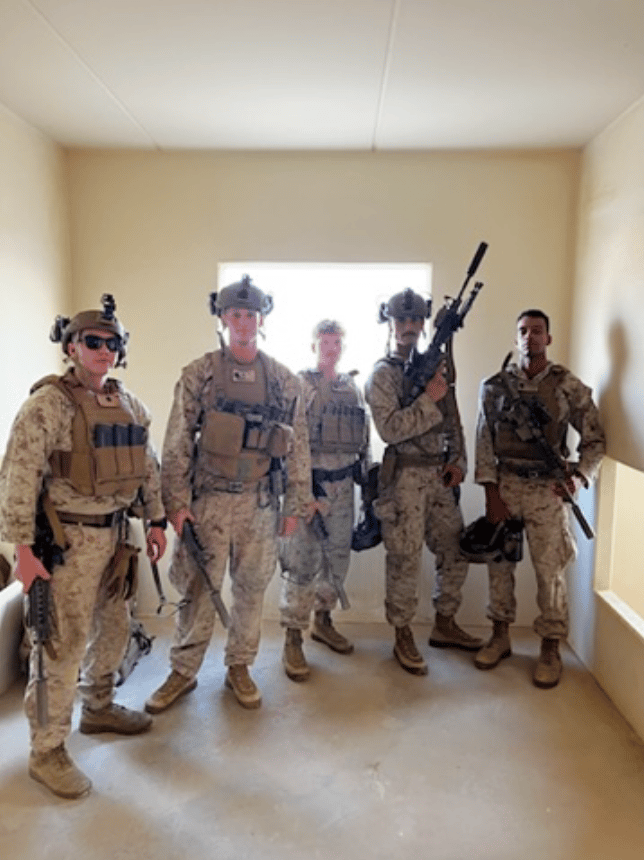
Besides giving us a great story we will be able to tell our son’s kids in due course, this minor crisis averted through family effort gave us all a tremendous sense of solidarity and love. And that is my topic today: How asking for help can be an act of love for you, too.
Researchers have demonstrated the happiness effects of kindness in novel ways—for both givers and receivers. For example, in one experiment, participants were instructed to engage in random virtuous acts toward strangers, such as holding a door open or feeding a parking meter.1 Then the recipient’s reaction was assessed: Compared with strangers who did not receive these kindnesses, those who did were almost four times more likely to display such a genuinely happy smile.
The recipients of kindness weren’t the only ones who got happier, though; the givers did too. Immediately after the experiment, these participants reported higher positive moods, joviality, gratitude, optimism, and life satisfaction than beforehand. This is consistent with many other studies. For example, psychologists in 2004 found that when students were assigned to engage in five minor acts of kindness and sacrifice a week, the practice reliably raised their overall happiness levels compared with students who did not engage in these acts.2
One way to act on this research is to, well, be kind. But here’s another interpretation: Logic follows that one way we can raise others’ well-being is by giving them opportunities to be kind and helpful. Try these three rules, if you’d like to become more generous, but asking for kindness is hard for you.
- Be alert to offers of generosity. A good place to start is simply to be alert to offers and resolve to accept them whenever possible. Obviously, “Can I grab you something from Starbucks?” is generally a good opportunity to say yes.
- Reciprocate the kindness. Your next step can be to turn a small favor like that into a healthy social pattern by reciprocating. A culture of generosity is like the circulation of blood: It can’t stop in one particular location. Saying yes to kindnesses but never offering to be the giver means that the favors and goodwill will in the end dry up. Instead, look for opportunities to let others accept your generosity. Tomorrow, you will be the one who runs to the coffee shop.
- Ask for small favors. You can start the cycle with others by asking for something most people love to give. Years ago, when I was running a large nonprofit, a wise person with many years’ experience in the industry observed that I was surrounded by donors who had been wildly successful as entrepreneurs but I never asked them for business advice, which I could very much have used. When I adopted the practice of asking more, it improved my management, friendships, and my fundraising. The lesson? People loved giving me advice. Whenever you’re puzzled by a tricky circumstance in life, love, or work, think of someone who might have a helpful perspective and ask them to share it. (Note: Just because you ask for advice, or can gratefully accept it if offered unbidden, doesn’t mean you have to take it.)
- Keep Learning. In this week’s episode of Office Hours, I dive into this topic even further. If you’re hungry for more ideas on asking for help and accepting generosity, please do watch or listen.
See you next week, and watch your pants,
Arthur

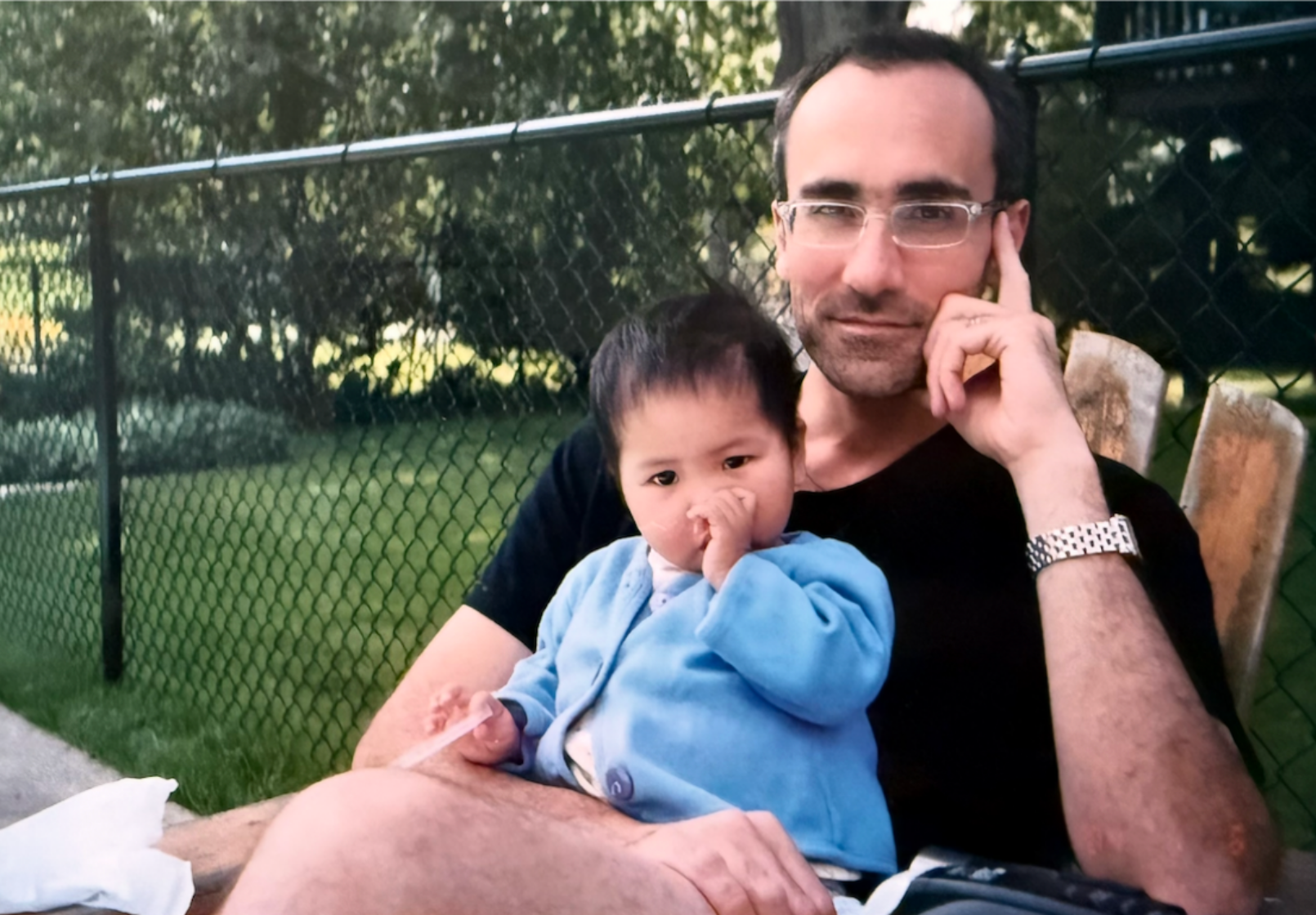
P.S. - I miss my dad.
References
[1] Pressman, S. D., Kraft, T. L., & Cross, M. P. (2015). It’s good to do good and receive good: The impact of a ‘pay it forward’ style kindness intervention on giver and receiver well-being. The Journal of Positive Psychology, 10(4), 293–302.
[2] Sheldon, K. M., & Lyubomirsky, S. (2004). Achieving Sustainable New Happiness: Prospects, Practices, and Prescriptions. In P. A. Linley & S. Joseph (Eds.), Positive psychology in practice (pp. 127–145).
.png)